1) edible fungi submerged fermentation

食用菌深层发酵
2) edible fungi fermentation
食用菌发酵
1.
According to the technological requirements of sterilization,temperature control,PH control and characteristics of the fer-mentation process for edible fungi fermentation,a system is implemented to monitor and control the temperature and PH and dissolved oxygen of fermenter by using SA series programmable logic controller and touch panel.
针对食用菌发酵过程中的灭菌、温度控制、PH控制的要求和工艺特点,在PLC、触摸屏和PC机的基础上,结合模糊控制理论,实现了食用菌发酵监控系统。
3) submerged fermentation
深层发酵
1.
Optimization of submerged fermentation parameters for high-yield flavone-producing strain of Phellinus baumii;
桑黄黄酮高产菌株深层发酵条件的优化
2.
Optimization of submerged fermentation medium of coprinus comatus;
鸡腿蘑深层发酵培养基的优化
3.
Study on submerged fermentation of corprinus sterqulinus Fr.;
粪鬼伞深层发酵培养的研究
4) Submerged culture
深层发酵
1.
Production of monacolin K in submerged culture by citrinin-free Monascus species;
不产桔霉素的红曲霉菌种深层发酵生产莫纳可林K
2.
The optimum formula for the preparation of flavoured yoghurt from the submerged culture filtrate of Ganoderma lucidum as the major material was studied.
研究以灵芝深层发酵滤液为主要原料 ,生产风味型酸奶的最适配方。
3.
In this work, a three-level Box-Behnken factorial design was employed combining with response surface methodology (RSM) to optimize the medium composition for the production of the mycelial biomass and exo-polymer in submerged cultures by Grifola frondosa GF9801.
利用BoxBehnken3×3设计优化了影响灰树花深层发酵菌丝体和胞外多糖生产的主要培养基组成,碳源(葡萄糖)、氮源(蛋白胨)和无机盐(KH2PO4),响应面分析结果表明,各因素及其交互作用对响应值灰树花菌丝体和胞外多糖产量均存在显著的相关性。
5) sumbmerged fermentation's liquid
深层发酵液
6) submerged culture
液态深层发酵
1.
Research on submerged culture conditions of selenium accumulation in Ganoderma lucidum;
富硒灵芝液态深层发酵工艺研究
2.
The component of cellulase, alkali cellulase and acidic cellulase and their research progress by submerged culture were introduced in this paper.
探讨了纤维素酶的组成 ,碱性纤维素酶、酸性纤维素酶的液态深层发酵的研究进展 ,并指出其广阔的研究和应用前景。
补充资料:食用菌
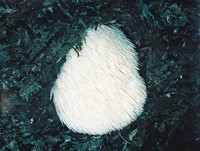
| 食用菌 edible fungi 人类食用的大型真菌。中国已知的食用菌有350多种,其中多属担子菌亚门,如香菇、草菇、蘑菇、木耳、银耳、猴头、竹荪、松口蘑(松茸)、口蘑、鸡、红菇和牛肝菌等,少数属于子囊菌亚门,如羊肚菌、马鞍菌、块菌等。它们生长在不同的生态环境中。在山区森林中生长的种类和数量较多,如香菇、木耳、银耳、猴头、松口蘑、红菇和牛肝菌等。在田头、路边、草原和草堆上,生长有草菇、口蘑等。南方生长较多的是高温结实性真菌;高山地区、北方寒冷地带生长较多的则是低温结实性真菌。 菌丝体和子实体是一般食用菌生长发育的两个主要阶段。各种食用菌是根据子实体的形态特征,再结合生态、生理等的差别来分类识别的。凭经验区别野生食用菌和毒菇时,也以子实体的外形和颜色等为依据。有些食用菌生长在枯树干或木段上,如香菇、木耳、银耳、平菇、猴头、金针菇和滑菇;有些生长在草本植物的茎秆和畜、禽的粪上,如蘑菇、草菇等;还有的与植物根共同生长,如松口蘑、牛肝菌等。食用菌在菌丝生长阶段并不严格要求潮湿条件,但在出菇或出耳时,环境中的相对湿度则需猴头在85%以上,而且需要适合的温度、通风和光照。
食用菌不仅味美,而且营养丰富,常被人们称作健康食品,如香菇不仅含有人体必需的各种氨基酸,还具有降低血液中的胆固醇、治疗高血压的作用。近年还发现香菇、蘑菇、金针菇、猴头中含有增强人体抗癌能力的物质。 中国有丰富的食用菌资源,也是最早栽培食用菌的国家之一。1100多年前已有人工栽培木耳的记载。至少800多年前浙江西南部已开始栽培香菇。 草菇则是200多年前在闽粤一带开始栽培的。这些技术一直流传至今。中国广泛栽培的食用菌有蘑菇、香菇、草菇、木耳、银耳 、平菇、滑菇等7类。在掌握选育优良品种、改进制种和栽培技术的基础上,食用菌生产的发展速度正迅速提高。 |
说明:补充资料仅用于学习参考,请勿用于其它任何用途。
参考词条