1) Eave Tile's ornamentation constructive

瓦当纹饰
5) eaves tiles
瓦当
1.
The eaves tiles unearthed in Yecheng date back to the spring and Autumn Period,the Warring Period and even the Southern and Northern Dynasties.
邺城出土的瓦当,从春秋战国至南北朝各时期都有发现。
2.
The pattern of Qi eaves tiles is the first exhibition of man’creation.
齐瓦当体现出一种其前艺术形式所未有的对人创造力的挖掘。
3.
Small as they are,the eaves tiles are the important components of the Chinese featured civil architecture.
瓦当虽小,却是中国特有的土木结构建筑屋面的重要组成部分。
6) ornamentation
[英][,ɔ:nəmen'teɪʃn] [美]['ɔrnəmɛn'teʃən]
纹饰
1.
Between colpi, the ornamentation is Spinulate or smilar smooth.
结果表明:花粉具3个萌发孔;沟膜明显,具瘤或颗粒;沟间具小刺状纹饰或近于光滑,偶见穿孔网状;极面观三裂圆形或钝三角形;赤道面观为圆形、近矩形、宽椭圆形至长椭圆形。
2.
The pollen grain is circular or 3-lobed circular in polar view, elliptic in equatorial view, tricalporate and the exine ornamentation is striate.
结果表明,樱属花粉的极面观为圆形或近三裂圆形,赤道面观为椭圆形,三孔沟,外壁纹饰多为条纹状。
3.
The stripes of anther have no differences in between yellowish barley and normal barley at 20000×,but the ornamentation is not clear on yellowish barley at 5000×,which show a distinct difference in their development degrees.
应用扫描电镜观察大麦花药,其药室壁具有40~60个纵向条纹,每个条纹又由10~18个更为细小的纹饰组成,它是一种稳定的与机能相关的细微结构。
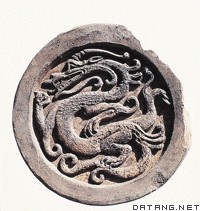
补充资料:瓦当
| 瓦当 tile-end 建筑物檐头筒瓦前端的遮挡。流行于中国、日本及朝鲜等地区。最初为半圆形,后演变为圆形。常带有花纹,有的上面还刻有文字。在中国始见于西周晚期,陕西省扶风县召陈村的西周晚期大型建筑基址中,发现印有饰重环纹的半瓦当。到战国时期出现圆瓦当,各地瓦当的花纹各有特色,有树纹、云纹、山字形纹等。西汉至魏晋南北朝时期流行云纹瓦当,南北朝时期因受佛教影响,出现忍冬纹和莲花纹瓦当,隋唐时期多见莲花纹瓦当。宋代以后盛行兽面瓦当。明清的宫殿建筑上则有蟠龙纹瓦当。西汉时期瓦当上的文字有篆书、隶书、鸟虫篆等字体,常见文字有“常乐未央”等吉祥语。魏晋南北朝时期瓦当上的字体介于隶书、楷书之间,十六国瓦当文字有“大赵万岁”、“长山常贵”等,北魏时则多见“万岁富贵”字样。到隋唐时期,文字瓦当基本绝迹。因不同时期瓦当上的花纹、文字不同,故瓦当是考古学中进行断代的一种标准物。同时瓦当也是了解古代手工业、建筑、雕刻、书法的重要资料。
|
说明:补充资料仅用于学习参考,请勿用于其它任何用途。
参考词条