1) campus credit card
大学生信用卡
1.
This paper is based on the new thing— campus credit card, discuss its characters and management methods.
本文以近年来新生事物——大学生信用卡为出发点,探讨大学生信用卡的特有风险及管理方法。
2) college
大学
1.
Interest Plasticity and College Innovation Education;
论兴趣的可塑性与大学创新教育
2.
Analysis of role of college campus project in campus cultural construction;
浅析大学校园规划在校园文化建设中的作用
3.
The balance of citizen education and specialized talent training education in college;
我国大学公民教育与专门人才教育的平衡
3) universities
大学
1.
The Reform of Tenure System in Universities in the United Kingdom;
英国大学终身教职制度改革
2.
Influence of universities on city expansion and economic position;
大学对城市化集聚及经济区位的影响分析
3.
Closely examining the relation between teaching and researches of universities of the general public age;
大众化时期大学教学与科研关系审视
4) university
大学
1.
On University Culture and Quality Education;
大学校园文化与素质教育
2.
Effect of Suggestion on Collective Construction in University Classes;
暗示对大学班集体建设的影响作用探讨
3.
The Relationship between Publicity of University and Governmental Intervention;
大学的公共性与政府干预
5) The great learning
《大学》
1.
A Brief Touch on Psychological Process of Moral Education in "The Great Learning;
《大学》道德教育心理过程浅析
2.
On the Ages and Ideological Succession of the Author of The Great Learning;
论《大学》的作者时代及思想承传
3.
Zhu Xi s Transformation and Reinterpretation of The Great Learning;
朱熹对《大学》主旨的改造和诠释
6) colleges
大学
1.
Reflection on the Present Teaching of Composition in Colleges——Also on developing students’thinking ability in the teaching of composition;
当前大学作文教学现状反思——兼论作文教学中学生思维能力的培养
2.
A New Perspective of the Internal Resources Allocation and Development in Colleges;
大学内部资源配置和发展工作的新探索
3.
This paper introduces the curriculumsystemin American colleges ,and analyzes the development tre-nd of engineering curriculum to bring up the ideas of curriculum reform ation especially in the telecommunication courses in Chinese colleges.
为了适应高等教育改革的需要,借鉴美国大学本科生课程设置的特点,深入分析了工科专业教育课程设置的发展趋势,提出了我国高校课程改革尤其是电信类课程改革的思路。
参考词条
补充资料:信用卡
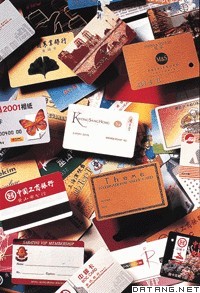
| 信用卡 credit card 由银行发行的一种专供消费者购买商品和支付劳务费用的信用凭证,非现金结算的一种支付工具。最早出现于美国,20世纪70年代在西方发达国家流行。中国从1986年开始发行信用卡。信用卡是由塑料制成的,所以又被称为塑料货币或塑料钞票,卡上印有持卡人姓名、签名式样、编号和每笔赊购的限额。信用卡的特点是先消费,后付款。持卡人外出可以不必带现金或支票,凭信用卡到指定商店、宾馆、饭店购买商品、车票或就餐等,并可向发卡银行的分支行或代理行透支小额现金。那些和银行签有合约的商店、宾馆、饭店等商业部门凭持卡人签字的账单向银行收款,再由银行送持卡人核对,在规定的期限内付清。如果逾期未付清,发卡银行就按期计算欠款利息,直到持卡人付清利息为止。由于信用卡方便消费,能增加公司、商店、宾馆和其他服务机构的营业额,有助于银行业务的开展,所以得到了广泛的使用。电子计算机的采用,也使得信用卡的使用更加安全、方便和普遍。
国际上使用的信用卡主要有4种 :①购物卡。即在百货公司、超级市场等商业零售商那里购买消费品,并具有信贷功能的信用卡。使用这种信用卡的消费者在规定时间内偿还货款,无需支付利息;超过规定期限的,则不仅要支付利息,还要按使用金额支付一定的手续费。②记帐卡。即购物时用于记帐、转帐的信用卡。③现金卡。即购物时用于付款、转帐并可在发行银行的分支机构或设有自动取款机的地方,随时提取现金的信用卡。④支票卡。即凭卡签发支票付款的信用卡。支票卡一般都规定了使用期限和签发的最高金额,在限额内,银行保证支付;如果超过了限额,则可以拒绝支付。现金卡和支票卡实际上是一种客户向银行透支的形式,银行与客户签定信贷限额以后,客户就能够凭信用卡签发超过其存款余额的支票,自动取得贷款。 |
说明:补充资料仅用于学习参考,请勿用于其它任何用途。