1) militarine
militarine
2) militarism
军国主义
1.
The Formation of Germany Militarism Tradition;
德国军国主义传统的形成
2.
Relationship between "Shinto" and Militarism;
日本“神道教”与日本军国主义的关系
3.
Analysis on Function of Bushido to Help "the Villain-Do-Evil"——The Spiritual Prop·the Ideology Origins and the Means of Launching War of Japanese Militarism;
武士道为虎作伥探析——日本军国主义的精神支柱、思想渊源和战争工具
3) militarism
尚武
1.
On the cultivation of militarism in the humanistic education in police colleges and universities;
论警察院校人文教育中尚武精神的培养
2.
In the Warring States Period,however,militarism was advocated,the idea of might was outside the civility range,and became the antithesis to literary ethos.
这股强大的尚武之风一直到秦汉时期仍有余绪。
3.
Thus there emerged a unique spirit of "militarism" and a tide of education of military citizenship in China.
他们振臂疾言,提出对国民进行“尚武”、“军国民”教育主张,并付诸实践,从而形成了我国近代特有的“尚武”精神与“军国民教育”思潮。
4) Militarism
尚武精神
1.
militarism is an important cultural connotation in Northern minority,this article intended to investigate the exchange of militarism in minority literature from the horizon of literature,and to clarify northern minority culture s influence on Chinese literature with a new horizon.
尚武精神是北方少数民族文化的一个重要文化内涵。
2.
At the beginning of the 20th century, with the national crisis becoming serious andthe modern western thoughts pouring constantly, the militarism thought arose.
尚武思想是清末众多进步思想的一种,它要求培养国民的尚武精神,实行全民皆兵,以达到军事救国的目标,表现了新型知识分子群体振奋民族精神,自强于世界的强烈愿望。
5) Militarism
尚武风气
6) militarism
“尚武”
1.
This dissertation makes a cause-and-effect analysis of literary spirit of Chinese intellectuals and militarism of Japanese intellectuals.
中日知识分子①可比较之点颇多,本文只从历史的角度,选择“崇文”与“尚武”作为比较内容,探讨中日知识分子“崇文”与“尚武”的原因及其影响。
参考词条
milipertine
tiletamine
tiletamine
tiletamine
militarized athletics
militarized economy
Militarized movement
tilianine
ciliatine
militarily used and unchecked
Militarily dictionary base
Japanese militarism
Fiscal-militarism
Commercial Militarism
critique of Militarism
militarism thought
road of militarism
Nazi militarism
坚固内固定
调谐匹配
补充资料:军国主义
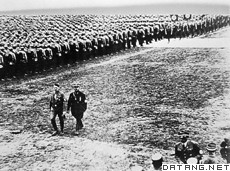
| 军国主义 militarism 把国家完全置于军事控制之下,使国家生活的各方面都为军事侵略目的服务的思想和政治制度。现代军国主义是帝国主义战争和侵略政策的产物,又是推行侵略战争政策的一种手段。根源在于资本主义国家内的阶级压迫与剥削。军国主义对内把国家的政治、经济、文化等各个方面都纳入军事侵略和战争的轨道,向人民灌输侵略战争的思想,实行军事独裁的恐怖统治;对外推行霸权主义、殖民主义、侵略和战争政策,掠夺、奴役、控制和颠覆其他国家,以至发动干涉战争。 第二次世界大战前夕的德国和日本都是典型的军国主义国家。1933年A.希特勒在德国建立起法西斯政权后,疯狂进行扩军备战。军火工业迅猛发展;在全国实行普遍义务兵役制,正规军扩充至60万人,包括强大的空军和海军力量;同时大肆宣扬沙文主义、民族仇恨、特别是反犹太主义,以及扩充“生存空间”的舆论。希特勒军国主义统治下的德国终于成为第二次世界大战的策源地之一。1868年日本明治维新后,在发展资本主义的同时,迅速走上了军国主义道路。对内推行以效忠天皇为核心的军国主义教育,在“富国强兵”的口号下扩军备战;对外则制订了侵略计划,宣称要使大日本帝国的国威布于四方,要以侵略战争征服世界。19世纪末~20世纪中叶,日本始终没有停止对中国、朝鲜以及整个亚太地区的侵略扩张,直至第二次世界大战后,日本军国主义的统治才彻底崩溃。
饱受军国主义统治之苦的世界各国人民仍在警惕着当今世界军国主义势力的复活。 |
说明:补充资料仅用于学习参考,请勿用于其它任何用途。