1) open-cell material
开孔材料
2) open-cell
开孔
1.
Preparation Technology of Open-cell Polymeric Microcellular Foam;
开孔型聚合物微发泡材料制备技术
2.
Synthesis of New Style Open-cell Flexible PU Foam for Reticulation;
用于网化的柔性开孔聚氨酯泡沫的制备
3.
The result showed that noise reduction effect of the foam was the best when aniline polyether polyol A and low viscosity polyether polyol B were used, with the open-cell agent content was 3.
采用全水发泡工艺,通过对配方的调节,研制了一种具有较高耐压强度和较好降噪性能的聚氨酯开孔硬质泡沫塑料。
3) open cell
开孔
1.
At the same strain,the absorbing energy of open cells with high density is highe.
对不同相对密度的两种胞孔结构———开孔和闭孔泡沫铝进行了单轴压缩试验,研究了相对密度对泡沫铝力学性能和能量吸收性能的影响。
2.
According to the theory of classical mechanics, the problem of stress concentration of open cell of spherical cover end is always solved by approximate computing formula.
由经典力学理论,对于球形封头开孔应力集中问题,大都采用近似计算公式。
4) opening
开孔
1.
Improvement of Pipe Plug at Bottle of Spherical Tank and Suggestion of Opening Minimum;
球罐底部堵口整改方案探讨及开孔最少化建议
2.
Shakedown Analysis of the Nozzlecylindrical Shell Intersection for Large Openings in Thin Wall Pressure Vessles;
圆柱形薄壁压力容器大开孔接管部位的安定性分析
3.
Ultimate strength analysis of spherical shell with an opening for deep sea submersible;
大深度潜水器开孔耐压壳的极限强度研究
5) cutout
开孔
1.
Buckling of honeycomb sandwich structures with cutouts and reinforcements;
含开孔和补强的蜂窝夹芯层合结构的屈曲分析
2.
The laws that natural frequencies of rectangular plate with a cutout will change with size and position of cutout are obtained by analytic, numerical and experimental methods.
通过解析分析、数值分析和实验研究,得到了矩形板开孔时其固有频率随孔的大小和位置变化而变化的一些规律。
3.
This paper is concerned with the stress concentration of cutout in transverse web for longitudinal stiffener.
本文研究为铺设纵骨而在舱壁板上开孔的应力集中 ,采用有限元方法对预先给定的结构进行应力分析 ,基于有限元计算结果给出了舱壁板典型开孔(参见ABS油船规范)的应力集中系数
6) Perforation
开孔
1.
A Discussion on the Perforation Coefficient in Standard of Strength Calculation for Centrifugal Drums;
离心机转鼓强度计算规范中开孔系数的讨论
2.
Study on the Stress Concentration in Centrifugal Baskets with Perforations;
离心机转鼓开孔问题的研究
3.
The optimum perforation and thenumber of layers have been designed.
从反射屏的开孔(或开缝)、反射屏的压皱、松散包扎、层数设计等方面研究了多层隔热体的包扎技术。
参考词条
补充资料:机械工程材料:粉末冶金多孔材料
用粉末冶金的方法製造的﹑内部结构为多孔的材料(或製品)﹐一般由球状或不规则形状的金属或合金粉末经成形和烧结製成﹐又称烧结多孔材料。这种材料为孔道纵横交错﹑互相贯通的多孔体﹐通常具有30~60%体积的孔隙度﹐孔径1~100微米。常用的金属或合金有青铜﹑不锈钢﹑铁﹑镍﹑鈦﹑钨﹑鉬以及难熔金属化合物等。做成的製品有坩堝状﹑碟状﹑管状﹑板状﹑薄膜等。粉末冶金多孔材料的特点是﹕孔径和孔隙度均可控制﹔优良的透过性能﹐且在使用后可以再生﹐因而使用寿命长﹔导热﹑导电﹔耐高温﹑耐低温﹑抗热震﹔抗介质腐蚀﹔比表面积大﹔可焊接和加工等。因此它的综合性能较传统的纸质﹑棉和化纤织品﹑陶瓷﹑玻璃﹑金属丝网等过滤材料为好。在现代技术中﹐多孔材料愈益发挥其重要作用﹐有两方面的主要用途。作过滤器用﹕利用其多孔的过滤分离作用净化液体和气体。例如用来净化飞机和汽车上的燃料油和空气﹔化学工业上各种液体和气体的过滤﹔原子能工业上排出气体中放射性微粒的过滤等。利用其孔隙的作用﹐製造多孔电极﹑灭火装置﹑防冻装置﹑耐高温喷嘴等。多孔电极主要在电化学方面应用。灭火装置是利用其抗流作用而防止爆炸﹐如气焊用的火焰防爆器等。防冻装置是利用其多孔可通入预热空气或特殊液体﹐用来防止机翼和尾翼结冰。耐高温喷嘴则是利用表面发汗而使热表面冷却的原理﹐被称为发汗材料。(见彩图 粉末冶金多孔材料 )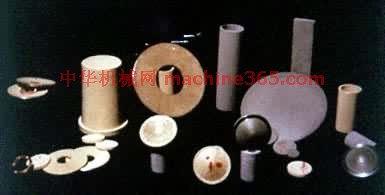
说明:补充资料仅用于学习参考,请勿用于其它任何用途。